Golden Beach carries a single name on every listing sheet, but it is not one real estate market. It is two, sitting on opposite sides of the same short stretch of road, priced by two different logics, and sold to two different kinds of buyers. Miss that distinction and the comps stop making sense. Catch it, and the neighborhood's odd price spread, its long and unpredictable days on market, and its thin transaction count all resolve into something legible.
Here is the puzzle that sends most buyers back to their agent with questions. Pull up two active Golden Beach listings and you might find a townhouse asking a little over $3.6 million sitting a few line items away from a single-family home asking closer to $4.5 million. Scroll further and there is a single-family listing under $900,000. Same neighborhood name on all three. On paper, a buyer would expect the single-family home to command a clear premium over the townhouse, the way it typically does elsewhere on the island. In Golden Beach, that premium can shrink to almost nothing, or invert entirely, depending on which side of the street each property sits on.
The neighborhood is split down the middle, literally
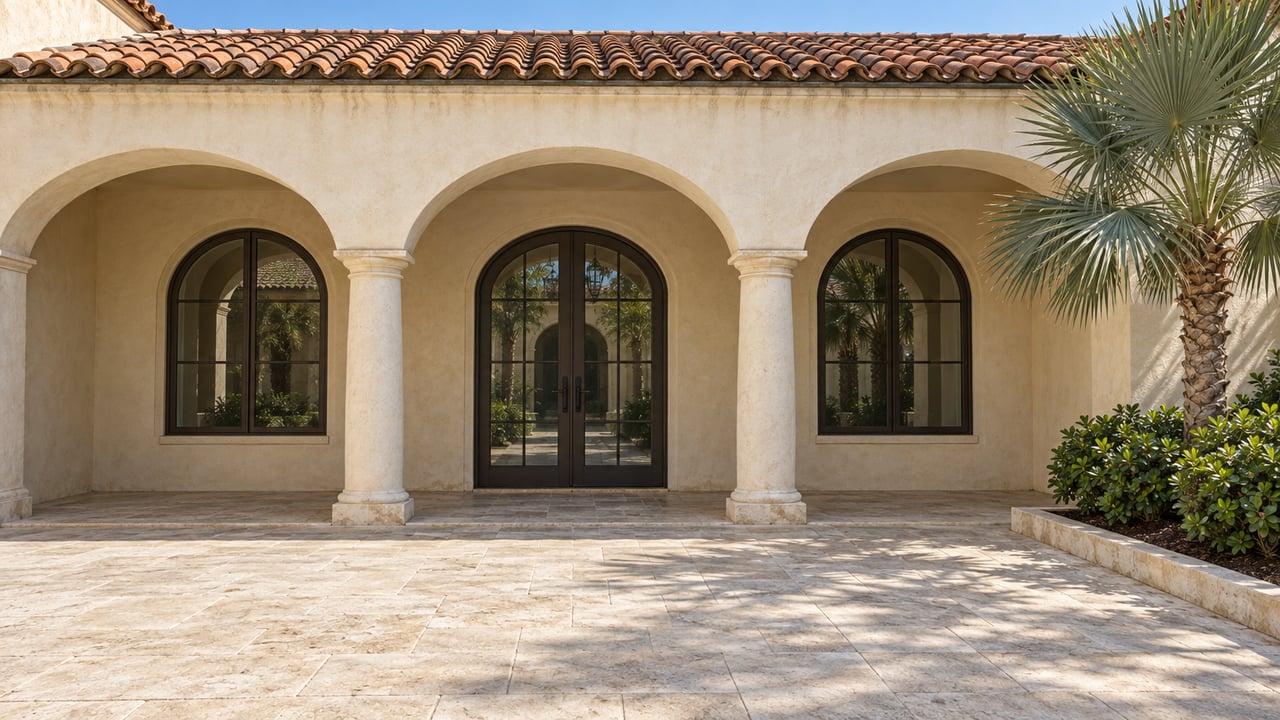
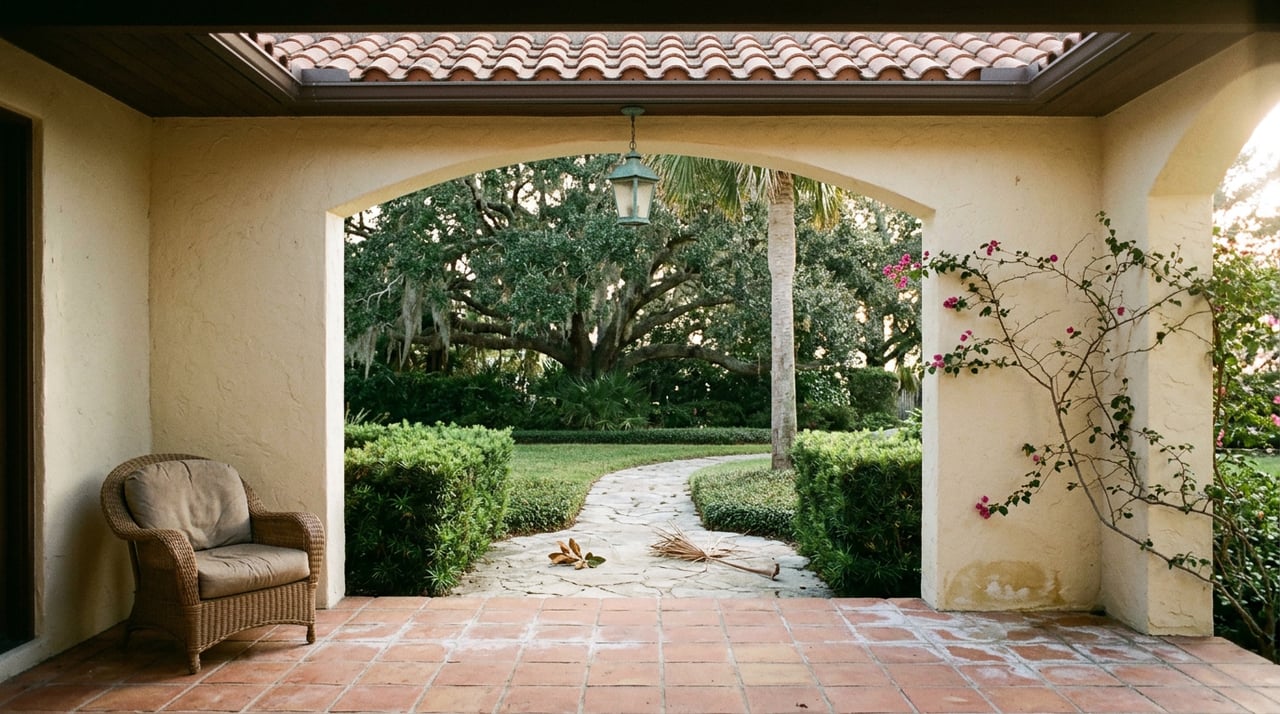
Golden Beach sits just south of the Village of Boca Grande, and its geography explains everything the price sheet cannot. The western side of the neighborhood is beachfront, built out as nine separate multi-family communities that face the Gulf of Mexico directly. The eastern side is a grid of ten residential streets, almost all of them dead-end cul-de-sacs, lined with single-family homes that reach the Gulf through nearby access points rather than through a private beachfront lot.
That is not a cosmetic difference. It is the difference between owning a piece of sand and owning a house near sand you can walk or bike to. Both are genuinely desirable positions on Gasparilla Island. They are not the same product, and they should not be judged on the same price curve.
The beachfront side is where names like Sundown, Turtleback, and Boca Grande Shores live. Sundown is built as a row of two-story, wood-frame townhouse buildings elevated on pilings, oriented so that nearly every unit gets a Gulf-facing sunset view, with parking tucked underneath each unit and the island's bike path running along the street out front. Turtleback takes its name from the distinctive curved rooflines on its pastel buildings, sited between the Gulf and a preservation area a little further south. Boca Grande Shores is smaller and more private still, a dozen separate wood-frame beach houses rather than a condo building, each three bedrooms and two baths, each furnished to its own owner's taste. Boca Grande North sits at the northern edge of this stretch, close enough to the swing bridge that arriving guests see turquoise Gulf water on one side and boat traffic on the bay side within the same turn.
Each of these is its own legal entity with its own homeowners association, its own rules about rentals, and its own maintenance obligations. A buyer comparing "Golden Beach" listings is often, without realizing it, comparing five or six different HOAs that happen to share a mailing address.
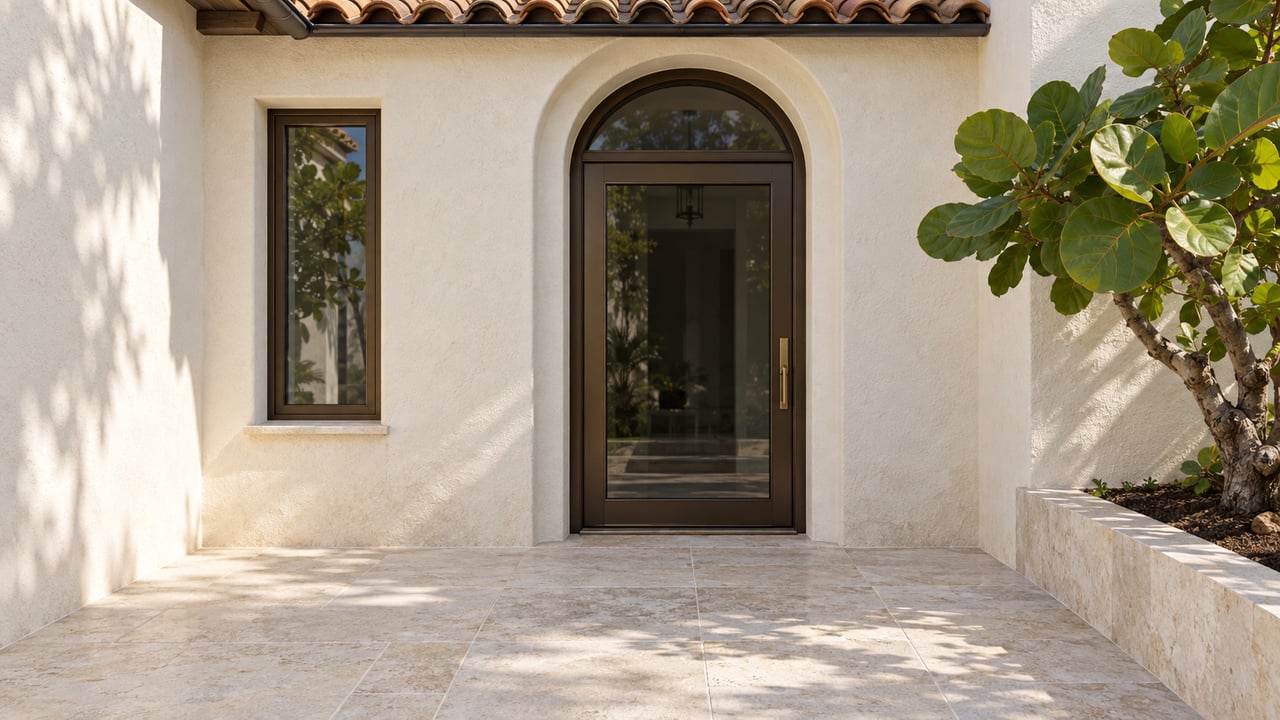
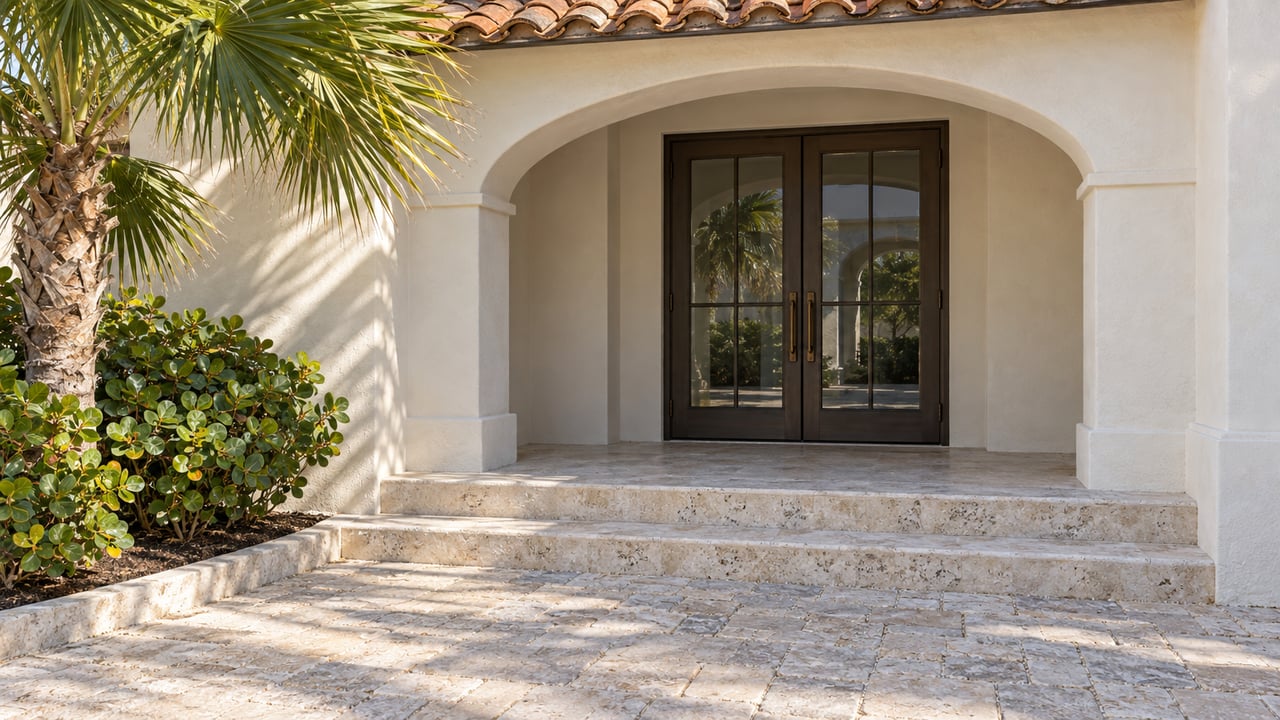
The eastern side has no such subdivision. It is simply ten streets of single-family homes, most of them on cul-de-sacs, each with nearby access to the Gulf rather than direct beachfront frontage. These are the homes most likely to be owned rather than rented, held longer, and sold less often.
What that split does to the numbers
Recent Boca Grande MLS activity for Golden Beach, covering the twelve months ending in April 2026, showed only three homes changing hands, at an average asking price near $4.1 million and an average sale price near $3.7 million. That works out to a list-to-sell ratio of about 90 percent and roughly $878 per square foot, with an average of 145 days on market. Three sales is not enough volume to build a reliable trend line. It is enough to show that this is a thin, low-frequency market where a single closing can swing the average by hundreds of thousands of dollars.
That thinness is itself a clue. When a neighborhood is actually one coherent product, a handful of sales still cluster in a recognizable band. When a neighborhood is secretly two products, three sales can include one beachfront townhouse and two interior single-family homes, and the resulting average tells you almost nothing about what any specific property is worth. A buyer who takes the blended average at face value and applies it to a single-family lot on the interior streets is working from the wrong comp set. So is a buyer applying it to a beachfront townhouse.
The current listing mix illustrates the same point from a different angle. A single-family home priced at $4.495 million and a townhouse priced at $3.6 million, active at the same time, are not evidence that the two product types are converging in value. They are evidence that price in Golden Beach tracks water frontage and association type more than it tracks square footage or structure type. A beachfront townhouse with direct sand access can out-price an inland single-family home on a cul-de-sac, because the townhouse is competing against other beachfront product, not against the interior streets.
A due-diligence framework, not a spreadsheet
None of this means Golden Beach is a confusing place to buy. It means the standard first question, "what's the price per square foot in this neighborhood," is the wrong first question here. The right first questions are about position and structure.
| Western beachfront side | Eastern cul-de-sac streets | |
|---|---|---|
| Ownership structure | One of nine separate multi-family associations | Individually owned single-family homes |
| Water relationship | Direct Gulf frontage | Nearby Gulf access, not on-lot |
| Governance | Association-specific HOA, rules vary by community | No shared association across the grid |
| Typical layout | Townhouse, four-plex, or small private beach house | Detached single-family home |
| Rental posture | Varies by association; some built and marketed for short-term rental | Varies by individual owner and any applicable local rules |
Before comparing two Golden Beach listings as if they are the same kind of purchase, it is worth working through a short list:
- Which side of the road is the property actually on, the beachfront strip or the interior grid?
- If it is on the beachfront side, which of the nine associations governs it, and what are that association's specific rules on rentals, exterior changes, and assessments?
- Is beach access deeded directly to the unit, or shared across the association?
- If it is on the interior side, how far is the nearest Gulf access point, and is that access shared with the rest of the street or with the broader neighborhood?
- What does days-on-market look like for that specific product type, not for "Golden Beach" as a blended category?
Answering those five questions before pricing a property, rather than after an offer falls apart in negotiation, is what turns a confusing comp sheet into a defensible number.
Why this matters beyond the spreadsheet
Second-home buyers drawn to Gasparilla Island often arrive already comfortable with waterfront pricing logic from other markets, where beachfront usually means one clear premium tier and everything else follows a predictable discount. Golden Beach does not follow that pattern cleanly, because it is not one waterfront market wearing one discount curve. It is a beachfront micro-market of nine associations layered directly against an entirely separate single-family micro-market, sharing a name and a zip code and little else in terms of pricing behavior.
For a legacy owner on the interior streets weighing a sale, that split cuts the other way. It means the six-figure townhouse sale a few blocks over on the beachfront side is not necessarily a useful comp for pricing a cul-de-sac home, even if both closed within the same season. Treating them as interchangeable risks leaving money on the table in one direction or pricing a listing out of its actual market in the other.
The name Golden Beach will keep showing up as a single line on portal search filters. What sits behind that line is two markets, priced by two different logics, and the buyers and sellers who do best here are the ones who ask which one they are actually looking at before they ask what it costs.
Frequently Asked Questions
Is every home in Golden Beach on the beach? No. The western side of the neighborhood is beachfront, built out as nine multi-family associations. The eastern side is a grid of ten single-family streets that reach the Gulf through nearby access points rather than direct beachfront lots.
Why do townhouse and single-family prices sometimes overlap in Golden Beach? Because price here tracks water frontage and association type more closely than it tracks structure type or square footage. A beachfront townhouse with direct sand access can price close to, or above, an inland single-family home on the cul-de-sac side.
Can rental rules differ between properties in the same neighborhood? Yes. Each of the nine multi-family associations on the beachfront side sets its own rules on rentals and exterior changes, so two properties a few doors apart can operate under different restrictions depending on which association governs them.
If you are trying to price a Golden Beach property, whether it sits on the beachfront strip or the interior streets, or you simply want a clear read on what a specific comp actually represents, the Steffan•Sieglaff Team can walk the block-by-block detail with you. How much is your home worth?
This article is general information, not legal, tax or financial advice. Consult a qualified professional about your situation.